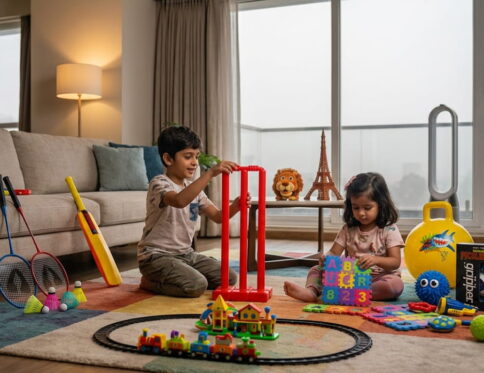


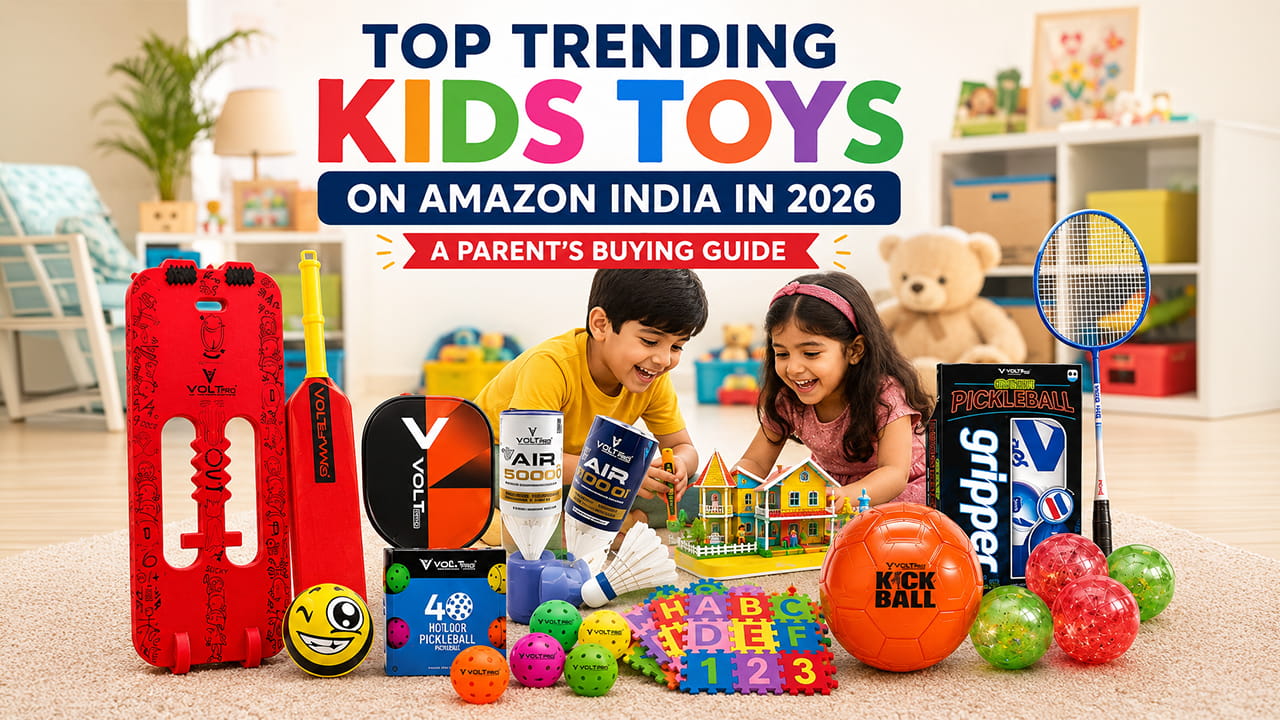
Open Amazon India’s toy section on any given evening and you’ll see it: thousands of options, a dozen “bestseller” badges, and a cursor that hovers for ten minutes without clicking anything. If you’ve ever added six toys to your cart only to abandon all of them because you weren’t sure which one your child would actually play with past the first week, you’re not alone. The good news is that the top trending kids toys on Amazon India in 2026 follow a few clear patterns, and once you know what’s behind the trend, choosing gets a lot easier. Parents this year aren’t just buying “a toy” they’re buying a skill, a habit, or a few hours of genuinely unplugged play. Here’s what’s actually flying off the shelves, and why
What Toys Are Trending on Amazon India Right Now?
Quick answer: STEM and educational kits, remote-control vehicles, eco-friendly wooden toys, plush and soft toys, pretend-play sets, outdoor and sports toys, and card or board games are the categories dominating Amazon India’s toy bestseller and new-release lists in 2026. Underneath all of them sits one shift: Indian parents are now shopping toys the way they shop everything else — researching reviews, comparing age ranges, and asking “what will this actually teach my child?” before adding to cart. Let’s break each of these down
Why Are STEM and Educational Toys Topping the Charts?
Because parents have stopped treating “educational” as a checkbox and started treating it as the whole point. Science experiment kits, solar-system models, electronic circuit kits, and Montessori-style sorting and matching toys are consistently among Amazon India’s top sellers and new releases this year. A big driver is screen-time guilt many Indian households are trying to balance early digital exposure with hands-on learning, and a toy that builds something, lights up, or “teaches” feels like a guilt-free purchase. Industry trend reports back this up, pointing to a clear and sustained shift in the Indian toy market toward educational and skill-building products as parents prioritise development over pure entertainment. If you’re shopping this category, look for:
Age-appropriate complexity: a 6-year-old and a 12-year-old need very different “science kits.”
Indian safety certification (BIS marking) on anything with small parts, batteries, or electronics.
Toys that scale in difficulty, so they don’t get outgrown in a month. Brands under the Mega Play umbrella lean heavily into this space, sorting cubes, activity boards, and early learning sets designed around exactly this kind of progressive, hands-on engagement.

Are Remote-Control Cars and Ride-Ons Still a Big Deal?
Yes – arguably more than ever. Rechargeable RC monster trucks, drift cars, and off-roaders show up again and again on Amazon India’s bestseller and “hot new release” lists, often with features like multiple headlight modes, Type-C charging, and 2.4GHz long-range remotes. On the toddler end, battery-operated ride-on jeeps, scooters, and cars with Bluetooth music and parental control are just as popular, especially as gifting items. What’s changed isn’t the appeal of “things that go fast” that’s timeless — it’s the spec sheet. Parents are now comparing battery type, charging speed, and remote range almost like they’re buying a small appliance, not just a toy.
What’s Driving the Eco-Friendly Wooden Toy Trend?
Sustainability has moved from a “nice to have” to an actual purchase driver. Industry analysis of the Indian toy market points to a clear and growing consumer preference for toys made from FSC-certified wood and recycled materials, and Amazon India’s listings reflect it wooden Montessori sets, sensory boards, stacking blocks, and busy boards keep appearing in both bestseller and new-release lists.
Part of this is genuine environmental concern. Part of it is also that wooden toys photograph beautifully for the “aesthetic, minimal nursery” look that’s everywhere on Indian parenting social media right now. Either way, the demand is real, and it’s pulling more brands into eco-conscious materials exactly the territory brands like Mega Wood occupy: Montessori-inspired, wood-based play designed to last well beyond one child’s early years.
Why Are Parents Choosing Soft Toys and Plush Companions?
Plush toys aren’t just trending they’re the single largest category in India’s toy market by value, holding the biggest individual market share of any toy type. Reversible plushies, animal-themed soft toys, and interactive “talking” plush companions are everywhere on Amazon India right now, and it’s easy to see why: they work as a comfort object, a décor piece, and a gift, all at once, across almost every age group. Animal and pet-themed soft toys in particular do well with younger children, which is the exact niche brands like Mega Petz are built around pet and animal-inspired designs that double as a child’s first cuddly companion.
Is Pretending to Play Making a Comeback?
It never really left, but it’s having a visible moment. Wooden kitchen sets, dollhouses, play tents, and character- or social-play toys are showing up consistently in new-release lists, and child development experts have long pointed to pretend play as one of the best ways young children build communication skills and emotional understanding. What’s new is the framing: brands are leaning into character-driven, social pretend-play sets toys built around friendship, sharing, and role-play rather than just “a kitchen” or “a doctor kit.” That shift toward social, character based play is where ranges like Hello Friends sit, built specifically around imaginative, social play for younger kids.
How Big Are Outdoor and Sports Toys in the Mix?
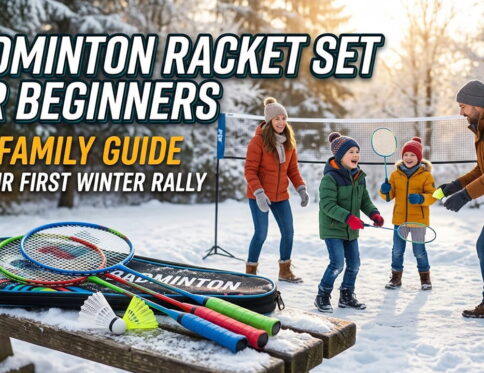
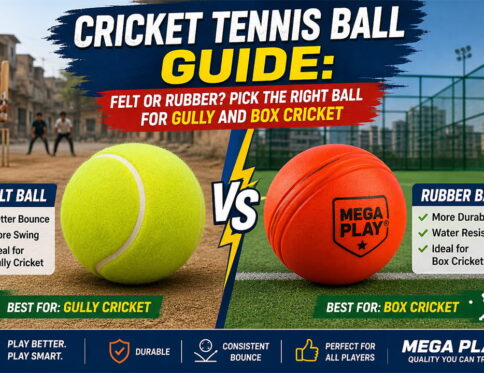
Bigger than most people assume. Outdoor and sports toys are tracked as their own dedicated category in every major Indian toy market report, and a related trend what analysts are calling “wellness gamification” is pushing toys that combine physical activity with play, from active outdoor games to gear that gets kids moving instead of sitting still. This is also where India’s growing appetite for accessible racquet sports shows up in toy aisles: lightweight, beginner-friendly badminton and pickleball sets for kids are increasingly common, alongside cricket sets and classic outdoor toys. It’s a category where brands like VoltPro and Let’s Play are squarely positioned sports and outdoor-play gear built for family and beginner use rather than tournament play.
Are Board Games and Puzzles Still Worth Buying?
Very much so. Card and board games, particularly party-style card games and family strategy games, are some of the most consistent bestsellers on Amazon India, and puzzles remain one of the top-selling product type.
In the broader Indian toy market, partly because schools and learning programs now actively use them for skill building. They’re also one of the few toy categories that genuinely bring a family together around a table, which counts for a lot with parents trying to carve out screen-free time.
How Should You Choose the Right Trending Toy for Your Child?
A toy being “trending” doesn’t automatically make it right for your child, fit matters more than popularity. A few things worth checking before you click “buy”: Match the age range exactly, not “close enough.” A toy pitched two years above your child’s age usually causes frustration, not growth. Check for BIS certification on anything electronic, battery-powered, or with small or loose parts. Think about where it’ll be used. A toy built for outdoor play won’t survive or suit an apartment living room, and vice versa. Rotate instead of stockpiling. A smaller set of well-matched toys, swapped in and out, tends to hold a child’s interest longer than a shelf full of everything at once. Read the actual reviews, not just the star rating, look specifically for comments from parents of children your child’s age.
Where Can You Buy These Trending Toys in India?
Amazon India remains the biggest single destination, but it’s far from the only one. Flipkart, Meesho, and FirstCry carry largely overlapping ranges, often at different price points, and quick-commerce apps are increasingly delivering toys to urban shoppers within minutes rather than days. Offline, modern retail chains, hypermarkets, and specialty toy stores are still where many Indian parents prefer to physically check size, weight, and build quality before buying especially for ride-ons, sports gear, and anything meant for rougher outdoor use.
Frequently Asked Questions
Q. What are the most trending kids’ toys on Amazon India in 2026?
STEM and educational kits, remote-control vehicles, eco-friendly wooden toys, plush and soft toys, pretend-play sets, outdoor and sports toys, and board or card games are the categories topping Amazon India’s bestseller and new-release lists this year.
Q. Are STEM toys actually worth buying, or is it just a marketing trend?
They’re genuinely worth it when matched to the right age. Science kits, building sets, and logic-based toys help children practice problem-solving and analytical thinking but the “worth it” part depends entirely on whether the complexity level suits your child. Too advanced, and it gets abandoned.
Q. How do I know if a toy is safe for my child in India?
Look for BIS (Bureau of Indian Standards) certification, which is mandatory for most toys sold in India, especially anything with small parts, batteries, or electronics. Always check the recommended age range on the packaging too.
Q. Are wooden toys better than plastic toys for kids?
Not strictly “better,” but they offer real advantages: durability, biodegradability, and often simpler, more open-ended play that encourages imagination over button-pressing. Plastic toys still win on lighter weight and lower cost in many cases, so many parents now choose a mix of both.
Q. Why are plush and soft toys so popular in India?
Plush toys hold the largest individual share of India’s toy market by value, and they work across nearly every age group as a comfort object for toddlers, a décor piece for older kids’ rooms, and an easy, reliable gift for any occasion.
Q. Is it better to buy trending toys on Amazon or from a brand’s own website?
Both have advantages. Amazon offers convenience and fast delivery, while buying directly from a brand’s website (like megaplayindia.com) often means more accurate product information, a wider view of the brand’s full range, and easier access for bulk or gifting orders.
Q. What age group drives the most toy demand in India?
Toddlers and preschoolers (roughly 0–8 years) remain the largest demand segment, though the 9–15 age group is a fast-growing one for STEM kits, building sets, and sports and outdoor toys, as parents look for screen-time alternatives for older children too.
The Bottom Line
The toys topping Amazon India’s charts in 2026 tell a pretty clear story: Indian parents are shopping smarter, not just more. They want toys that teach something, last longer than a week, and don’t add to the pile of plastic gathering dust under the bed. Whether you’re drawn to a STEM kit, a wooden Montessori set, a plush companion, or a set of outdoor sports gear, the trend points the same direction play with purpose