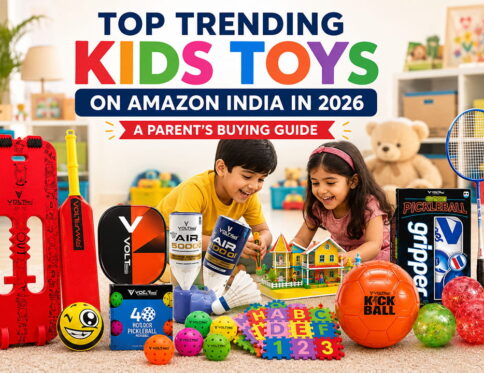


A practical, age-by-age buying guide to choosing safe, durable cricket and sports toys that build real skills not just shelf appeal
In most Indian homes, a child’s first cricket bat shows up long before their first cricket lesson: a plastic bat in the courtyard, a tennis ball off a gully wall, a chalk wicket on the ground. Here’s how to choose the right one for every age and stage.
That early, unstructured play matters more than it gets credit for. The right cricket or sports toy at the right age doesn’t just keep a child entertained it builds hand-eye coordination, teamwork, and a lifelong relationship with movement and sport. The tricky part for parents is that the toy aisle is crowded with options, and not all of them are built with a child’s actual age, size, and safety in mind. In this guide, we’ll walk through how to choose the best cricket toys and sports toys for kids in India, organised by age group, with the safety and durability checks that actually matter
Why Do Cricket Toys Matter So Much for Indian Kids?
Cricket isn’t just India’s most popular sport: it’s often a child’s very first introduction to teamwork, rules, and friendly competition. A simple bat-and-ball set teaches:
Hand-eye coordination: tracking and hitting a moving ball is one of the best coordination-building exercises available
Gross motor skills: running between wickets, throwing, and fielding all build strength and balance Social play: cricket is rarely played alone, which naturally introduces sharing, fairness, and teamwork Early sport identity: many lifelong sports habits, and even professional careers, trace back to casual gully cricket
Because cricket plays such an outsized role in Indian childhood, getting the right cricket toy for your child’s age is one of the highest-value sports purchases a parent can make.
What Should Parents Check Before Buying a Cricket or Sports Toy?
Before looking at specific products, four checks matter more than brand name or price:
- Age appropriateness: a toy designed for the wrong age either bores an older child or frustrates a younger one.
- Safety certification: look for BIS certification and clearly labelled non-toxic, BPA-free materials.
- Smooth, child-safe edges: especially important for plastic bats, stumps, and bails used by younger children
- Durability for outdoor play: a toy that survives daily courtyard or park use, not just a gentle living-room game A toy that fails any of these isn’t a bargain, even at a lower price: it usually ends up unused within a few weeks.
Which Cricket Toys Are Best by Age Group?
Ages 2–4: First Bat-and-Ball Sets At this age, the goal is simply introducing the shape of the game, holding a bat, swinging at a soft ball, running a few steps. Look for very lightweight plastic bats sized for small hands, soft oversized foam or sponge balls that won’t hurt on contact, and simple plastic stumps that won’t injure if knocked over.
Ages 5–8: Building Real Skills Children at this stage can start engaging with actual technique, proper grip, basic shot direction, simple fielding. A complete junior set with a lightweight bat, plastic stumps and bails, and a tennis or soft “incrediball” ball works well here. This is also the age where complete starter kits offer the best value, since the child is still experimenting with the sport.
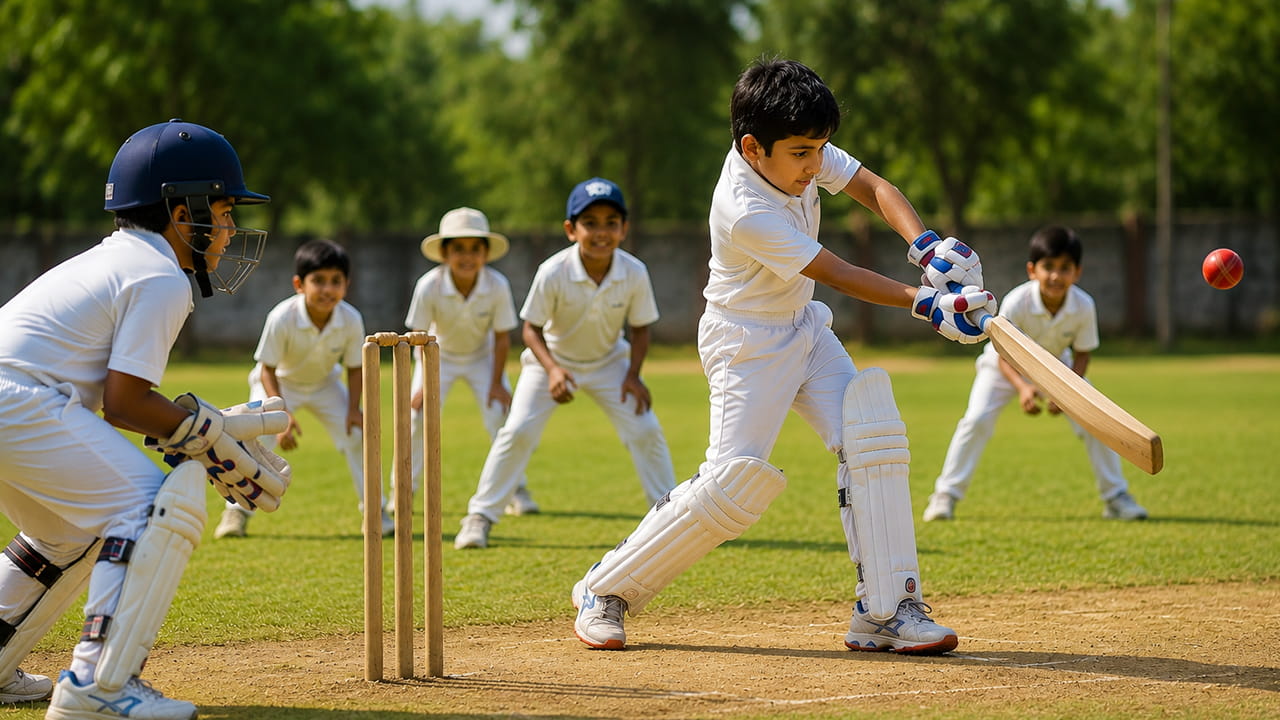
Ages 9–12: Moving Toward Proper Technique By this age, many children are playing more seriously, at school, in the park, or starting coaching. This is when a correctly sized bat (measured against height, not just age) starts to matter, along with a switch to synthetic or taped balls. Basic protective gear, like a simple pair of batting gloves, is worth introducing even in casual play.
Ages 13 and Above: Serious Play At this stage, children transitioning into harder-ball cricket need a full kit, bat, pads, gloves, and a helmet whenever a leather or composite ball is in use. A helmet is non-negotiable once pace bowling with a hard ball enters the picture, even in casual academy sessions.
How Do You Choose the Right Bat Size for a Child?
This is the single most common mistake parents make, buying a bat based on the child’s age alone, when two children of the same age can differ by 20cm in height. The simplest way to check fit: stand the bat upright next to your child with the toe touching the ground. The top of the handle should reach roughly to their hip. If it reaches their waist, the bat is too long; if it stops at mid-thigh, it’s too short. When possible, measure your child’s height directly and match it against a bat-size chart rather than relying on the “age 8+” label on the box.
What Other Sports Toys Build Similar Skills?
Cricket isn’t the only sport worth introducing early. A well-rounded set of sports toys gives a child more ways to stay active, especially on days when a full cricket pitch isn’t available.
Badminton sets: excellent for hand-eye coordination and require very little space, even a balcony or terrace works
Footballs and mini goals: build teamwork and full-body coordination
Basketball ring sets: great for solo practice as well as group play
Pickleball paddle sets: increasingly popular in Indian households as a low-space, easy-to-learn alternative to badminton and tennis Rotating between two or three sports toys, rather than relying on cricket alone, keeps a child engaged for longer and builds a broader base of physical skills. The chart below shows how Indian parents typically introduce children to different ball types as they age through cricket, moving from the softest options toward harder, more realistic balls only as skill and safety needs increase.

How Can Parents Make Sports Toys Last Longer?
Built for Real Indian Play, Not Just Showroom Display This is exactly where our Mega Play and VoltPro ranges fit in. Our play balls and outdoor sports toys are built specifically for the realities of Indian play gully cricket on rough ground, terrace badminton, park football not just gentle indoor use. Alongside cricket adjacent play balls, our VoltPro shuttlecocks and pickleball paddles give families an easy second sport to rotate into, especially in smaller spaces like a society ground or terrace. The goal across our toy and sports ranges is simple: equipment that’s durable enough to handle a child’s actual play patterns, not just look good in a store display.Conclusion:
The Right Toy at the Right Age Builds a Lifelong Love of Sport Choosing the best cricket and sports toys for kids in India isn’t about finding the most expensive or most decorated option; it’s about matching the toy to your child’s age, size, and stage of play, while checking the basics of safety and durability. Get that right, and a simple bat and ball can be the start of a habit that lasts a lifetime.
Ready to Equip Your Child for Real, Active Play?
Explore our Sports Goods and Play Balls collections: durable, age-appropriate cricket and sports toys built for real Indian play.

Frequently Asked Questions
1. What is the best age to introduce a child to cricket toys?
Children can start with simple, soft bat-and-ball sets as early as 2–3 years old, with more structured cricket kits becoming appropriate from around age 5 onward.
2. How do I know what size cricket bat my child needs?
Match the bat to your child’s height rather than age alone; the handle should reach roughly to their hip when the bat is stood upright beside them, with the toe touching the ground.
3. Is a helmet necessary for kids playing cricket?
Yes, a helmet is essential whenever a hard leather or composite ball is in use, and strongly recommended even in soft-ball cricket if the child is facing any pace bowling.
4. What ball should young children practice with?
Children under 10 should practice with a soft tennis ball or foam-style “incrediball,” moving to synthetic or taped balls around ages 10–12, and only progressing to leather balls with full protective gear from around age 13 onward.
5. What other sports toys complement cricket for all-round development?
Badminton sets, footballs, basketball rings, and pickleball paddle sets are excellent complements, each building coordination and fitness in different ways while needing less space than a full cricket pitch.
6. How can I make sure a cricket toy is safe for my child?
Look for BIS certification, non-toxic and BPA-free materials, and smooth edges with no sharp corners, especially on plastic bats, stumps, and bails meant for younger children.
7. How long should a good cricket toy set last?
With proper storage and regular care, a well-made plastic starter kit should comfortably last a full season of regular outdoor play, while a wooden bat suited to more serious play can last several seasons with basic maintenance.